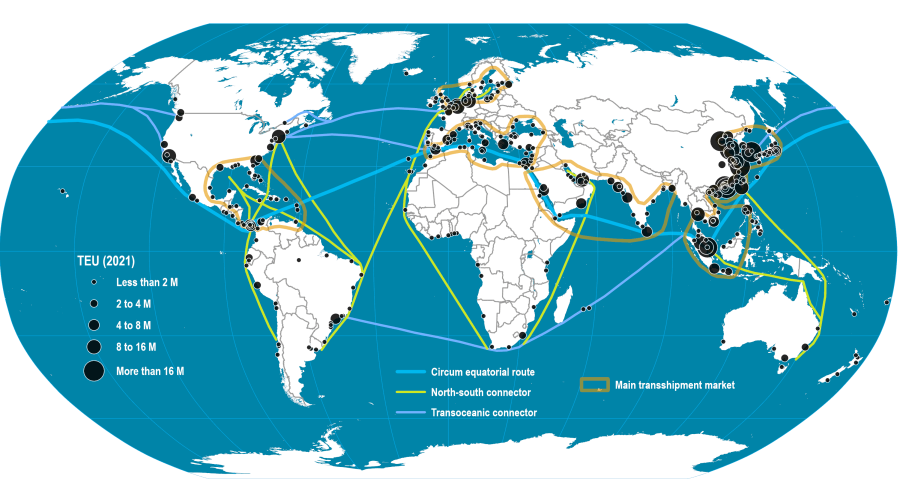
For 3PL services providers who want to enter the UAE market for Container Freight Station (CFS) services it is not easy to determine the best location for their business and thereby decide what scope and focus of services should be offered. This is due to the specifics of the UAE market in general, as well as due to the substantial variations in regulatory, business focus, volumes, and structure of cargoes of the various UAE ports. Therefore, private investors have asked ADI to perform a tailor-made market study considering the background of the investors and to provide clear recommendations for the possible start-up of the CFS business.
ADI analysed the market for CFS services in the relevant UAE ports from current volume perspective as well as the future outlook and forecasts. However, the location with the highest volumes and best growth perspective do not necessarily need to be the most promising for new service providers entering the market. In this case it is also relevant as to how many players are already active, what focus of business they have, as well as what scope of services they offer for what reason. On top of this, the regulatory environment can have a drastic impact on the investor’s chances to capture a relevant market share. As a result, the landscape of CFS services in the UAE is very complex – nevertheless ADI could derive a solid and considerate recommendation – based on a unique market segmentation and comparison with global benchmarks.
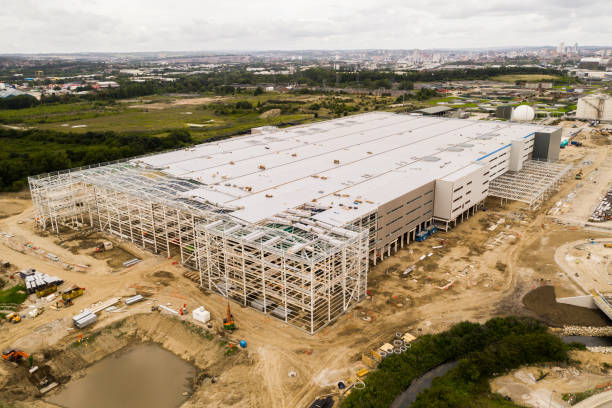
Once the most promising location had been identified and the target scope of services been determined, ADI helped the investor to find a land plot in the recommended location. The plot’s settings are optimal for operating CFS services and allow a phased implementation. In collaboration with W.S. Atkins, a detailed master plan was established that provides sufficient space for several facilities, optimal flow of traffic (separating customer traffic flow from internal operations), as well as a modular structure for a phased implementation that provides maximum flexibility to adapt to future changes in volumes, business focus, and scope of services.