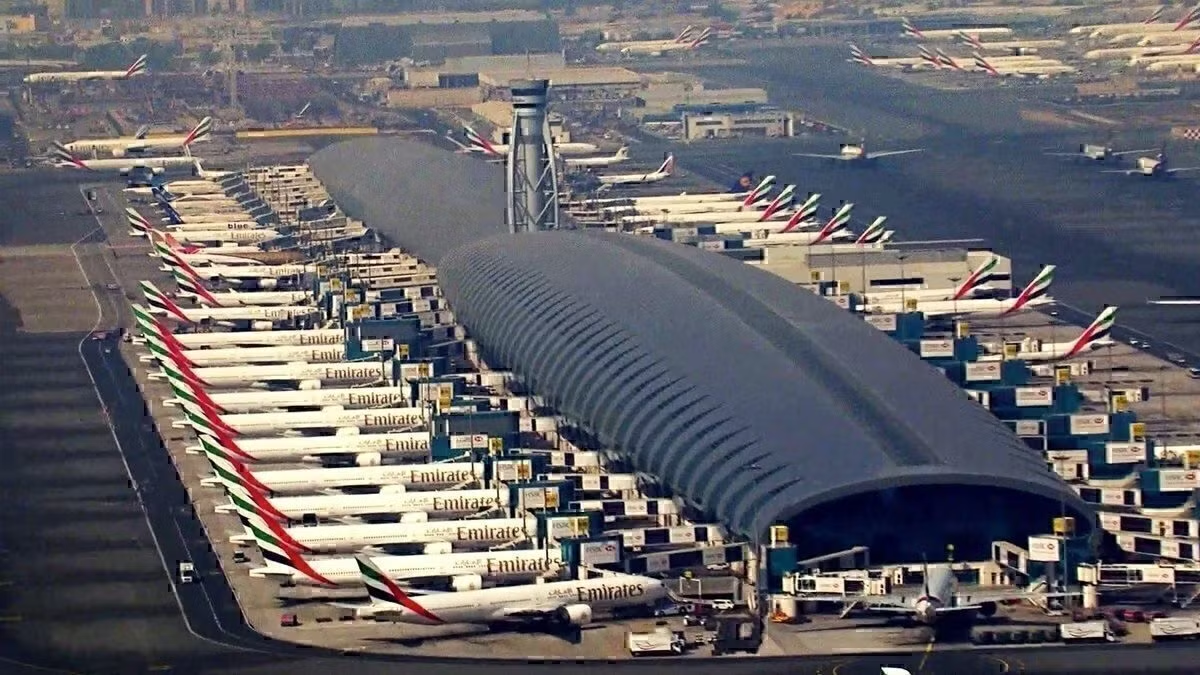
The Dubai International Airport DXB is experiencing unrelenting growth, with expected 100 million passengers in 2020. While further passenger growth will be absorbed by the increase of Al Maktoum Airport’s capacity, cargo volumes in DXB will continue to rise even after 2020. In order to prepare for this growth, Dubai Airports needs to forecast the upcoming cargo volumes and to provide sufficient capacity for the handling of units – not only by enhancing the cargo terminals but also by increasing and optimising of air-side space for handling, sorting, and staging. In collaboration with W.S. Atkins, ADI supported Dubai Airports in establishing the air-side cargo capacity plan up to the year 2025.
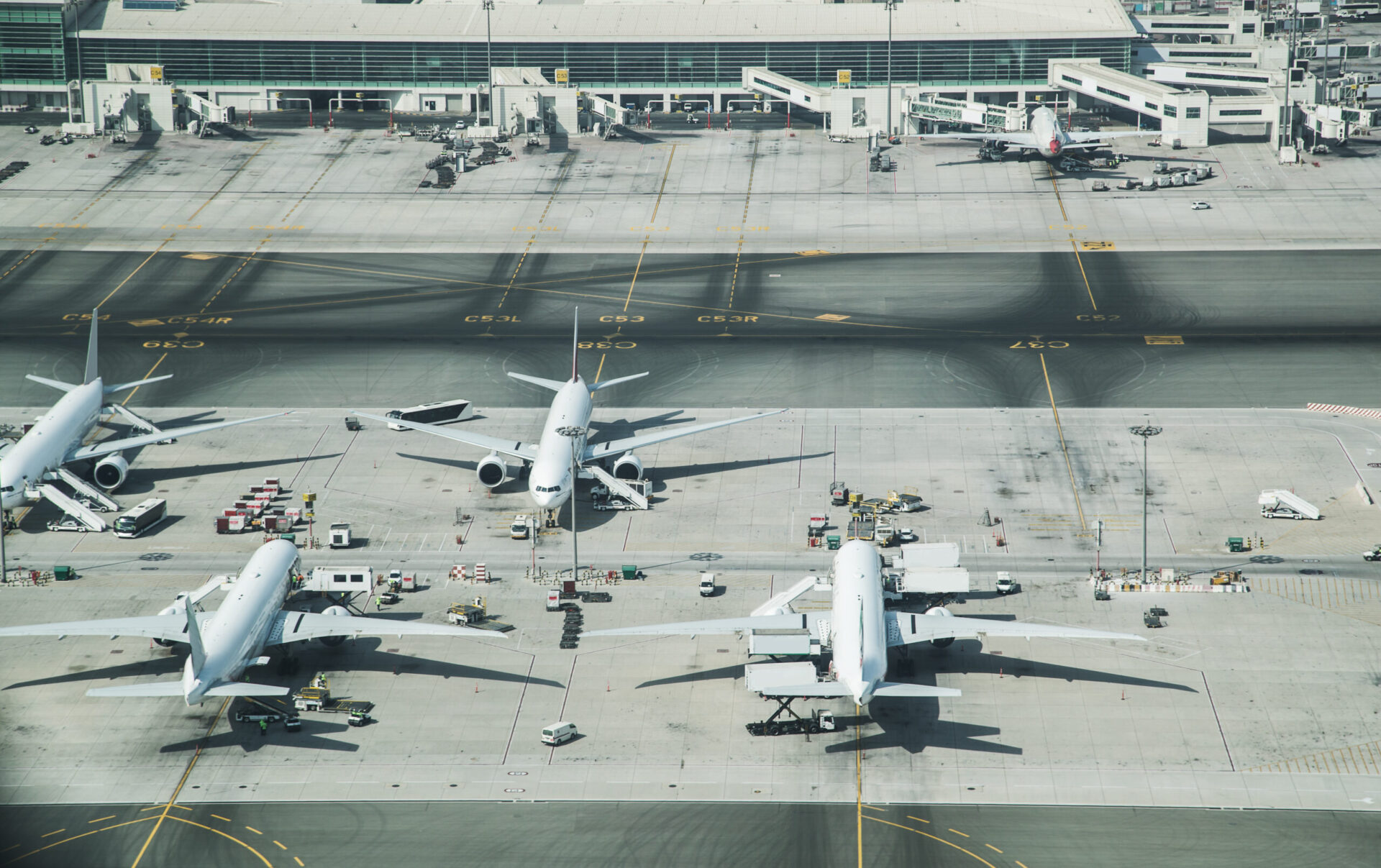
The need for cargo units handling and staging capacity is driven by a variety of parameters. These include operations processes (with rules and service level agreements), physical flows covering the entire air field area, dwell times of cargo units inside and outside of cargo terminals, and the type and volumes of units to be handled. In order to establish a robust planning basis, an in-depth analysis of these parameters was undertaken – down to individual flights and analyzing volumes up to the individual shipment level. This analysis could be used to determine cargo units volume forecasts for the upcoming years in-line with the planned future flight schedules; and to derive key values of parameters to be used for scenarios that reflect changes in processes, flows, and dwell times.
A tailor-made methodology and calculation model was applied to calculate the required cargo handling capacity for future years in comparison to the actual situation; and to demonstrate the effects of changes in the key parameters. This way, a “solution space” was created to determine the required capacity in different scenarios. Within these limits feasible solutions could be evaluated and discussed that keep a reasonable balance between investments in infrastructure, upgrades in IT, and space requirements.